
English 
No. 21, Xingyuan Road, Jiefang Village, Gushan Town, Jiangyin City
Views: 0 Author: Site Editor Publish Time: 2026-08-14 Origin: Site


Spinning high-tenacity synthetics presents unique operational challenges compared to natural materials. High static generation, inherent elasticity, and smooth surface structures frequently disrupt production. These traits often lead to uneven yarn counts or costly machine downtime if standard protocols are used. Processing these robust synthetics demands absolute precision. You cannot simply drop them into legacy cotton systems and expect flawless output. Therefore, textile engineers, plant managers, and procurement teams need a reliable, evidence-based framework. You must optimize spinning operations, carefully calibrate machinery, and source the right materials to ensure profitable, commercial-scale production. In this comprehensive guide, you will learn how to adapt your processing environment specifically for synthetics. We will cover how to select the ideal staple length and denier for your drafting setup. Finally, you will discover strategic sourcing practices to secure materials minimizing production risks.
Material properties dictate machine setup: The elasticity and static potential of nylon require strict environmental and tension controls to prevent roller lapping and yarn distortion.
Staple length is the critical variable: Matching the specific cut length and denier to your drafting system is the primary factor in minimizing fiber breakage and maintaining tensile strength.
Supplier spin finish matters: Profitable spinning relies heavily on the anti-static and cohesive properties of the spin finish applied by your fiber manufacturer.
Pilot testing is non-negotiable: Running small-batch trials to adjust twist multipliers and carding speeds is essential before full-scale integration.
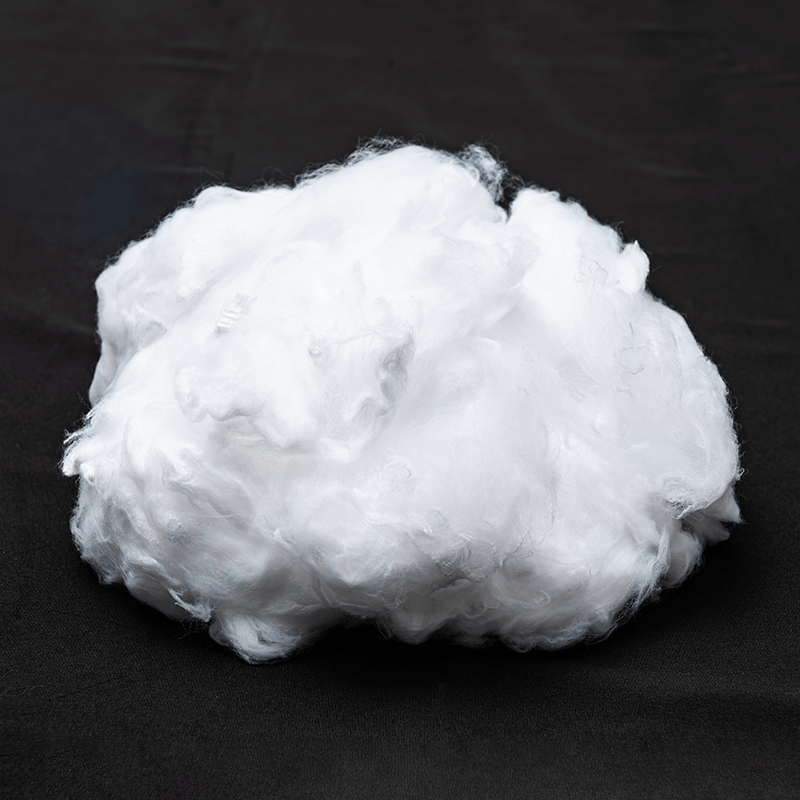
You must establish a clear performance baseline before adjusting any machinery. Synthetics behave fundamentally differently from natural crops. When we examine Nylon Fiber, we see high elasticity and immense tensile strength. It also exhibits extremely low moisture regain. Cotton and wool easily absorb ambient moisture. Synthetics actively resist it. This distinct moisture resistance creates massive static electricity during high-speed drafting. Static buildup causes individual strands to repel each other. This repulsion ruins your sliver cohesion.
You need to establish strict success criteria for your spinning lines. What does a successful run actually look like? First, you must measure consistent yarn evenness. Industry professionals use the Uster CV% metric for this. Lower percentages indicate superior uniformity. Second, you want minimal end breakages per 1000 spindle hours. Frequent breakages destroy production efficiency. They force operators to manually piece yarns back together. Finally, predictable dye uptake defines a successful run. Uneven spinning tension often causes structural variations. These variations manifest later as dark or light streaks during the dyeing process.
The cohesion challenge remains the biggest hurdle for engineers. Natural scales on wool create natural friction. The natural convolutions on cotton perform a similar function. This friction holds them together during drafting. Synthetics completely lack these microscopic surface structures. They are perfectly smooth extrusions. Therefore, you must rely entirely on mechanical crimp. Manufacturers introduce this zig-zag crimp during production. Crimp provides the necessary fiber-to-fiber cohesion. Without adequate crimp, the sliver will simply fall apart under drafting tension. You must inspect incoming bales to verify crimp consistency.
Selecting the right material specifications is crucial for smooth operations. You must match the physical parameters to your specific spinning system. Ring spinning handles different dimensions than Rotor or Air-Jet systems. Rotor systems generally prefer slightly shorter cuts to prevent groove blockage. Air-Jet systems demand exceptionally high uniformity. If you choose the wrong dimensions, your machinery will struggle.
We call this the length-to-system matching challenge. Let us explore how length impacts processing:
Too short: Short cuts result in poor yarn strength. They also generate excessive fly in the blow room. This fly coats machinery and poses respiratory hazards.
Too long: Long strands cause severe drafting roller entanglement. Operators call this lapping. It also creates neps, which are tight, unbreakable knots.
Ideal range: Standard B2B use cases dictate 38mm to 51mm for conventional cotton spinning systems. Worsted systems utilize much longer cuts, often exceeding 75mm.
Denier considerations also dictate your end-product outcome. Denier measures the linear mass or thickness of the strand. A fine 1.2D suits apparel applications perfectly. It yields soft, flexible yarns suitable for activewear or intimate apparel. Conversely, a robust 3.0D fits industrial textiles better. Thick deniers withstand heavy wear in products like webbing or canvas. Your chosen denier directly impacts the spinning limit. Finer deniers allow you to spin higher yarn counts. However, they require much more delicate handling to prevent rupture. You must balance the desired fabric feel against your machine's mechanical limits.
Environmental control is your first line of defense. Nylon Staple Fiber is highly prone to static electricity. Strict climate control is an absolute requirement in your facility. You must maintain the spinning room at 55–65% Relative Humidity (RH). Keep ambient temperatures stable around 22–24°C. If the air gets too dry, static builds up rapidly. This buildup causes intense fiber repulsion. The sliver will balloon outward. It will then block trumpets and cause immediate machine stops.
You must implement specific carding adaptations. Standard cotton settings will damage synthetics. We strongly recommend lowering your cylinder speeds. High cylinder speeds generate immense friction. Friction creates excess heat. This heat can actually melt or fuse synthetic strands together. You should also use slightly wider gauge settings compared to cotton setups. Wider settings prevent aggressive rupture and preserve the mechanical crimp.
Tension and drafting management require a complete paradigm shift. You must utilize lower spinning tension. Synthetics possess a strong stretch memory. If you spin them under high tension, they will stretch out temporarily. Later, as they sit on the bobbin, they try to contract back to their original state. This intense contraction force can physically crush plastic bobbins. We call this spool crushing. It ruins carriers and alters final fabric dimensions. Lower your tension weights and adjust draft distributions accordingly.
Operational Parameter | Natural Crops (Cotton) | High-Tenacity Synthetics | Technical Rationale |
|---|---|---|---|
Relative Humidity (RH) | 65% - 75% | 55% - 65% | Synthetics need lower RH to avoid stickiness, but enough to kill static. |
Carding Cylinder Speed | Higher (Maximized for cleaning) | Lower (Reduced by 15-20%) | Prevents heat generation and melting of polymer strands. |
Drafting Tension | Moderate to High | Low to Moderate | Prevents stretch memory contraction and bobbin crushing. |
Twist Multiplier (TM) | Standard (e.g., 3.8 - 4.2) | Lower (e.g., 3.2 - 3.6) | Prevents harsh yarn handle due to inherent synthetic strength. |
Managing static and fly requires proactive intervention. Humidity control alone might not suffice in dry climates. Sometimes, the manufacturer's initial spin finish degrades during transit. If this finish proves insufficient, you face major production hurdles. You must apply secondary anti-static oversprays during processing. Spray these lightly during the opening and blending phases. These oversprays restore surface moisture and dramatically reduce static friction. Allow the treated material to condition in bins for 24 hours before carding.
Preventing neps and lapping demands strict routine maintenance. Dirty machines ruin synthetic runs instantly. You should follow a specialized maintenance checklist for synthetic processing:
Inspect drafting rollers daily for micro-scratches. Scratches catch delicate filaments.
Clean and polish all metallic contact points regularly. Remove any sticky finish residue.
Install specialized synthetic-grade cot materials. Choose a shore hardness designed to reduce static clinging.
Monitor the draw frame trumpets for early signs of blockages or lapping.
We must offer a transparent reality check here. Running 100% synthetic material on legacy machinery presents real operational challenges. Older frames were designed purely for natural crops. They often lack modern tension sensors and precise drafting controls. You will likely require mechanical retrofitting. Consider installing inverter drives for smoother startups. Upgrade your top arms to handle bulkier slivers. If you cannot afford mechanical retrofits, you must accept a compromise. You will have to run your machines at significantly lower production speeds to maintain acceptable yarn quality.
Quality consistency from your supplier dictates your ultimate success. You must rigorously audit a supplier's lot-to-lot variance. Pay very close attention to two specific factors. First, check the crimp frequency. Second, analyze the spin finish application rate. These two factors are the most likely to derail automated spinning lines. Inconsistent finish application causes random, unpredictable static spikes. Uneven crimp leads to weak drafting and thin places in the yarn. Always demand uniformity reports per batch.
Compliance and specifications help verify supplier legitimacy. Do not just take their word for it. Request their official paperwork. Verify their ISO quality management certifications. Ensure they utilize standard testing methodologies for their technical data. They should use ASTM or ISO standards to measure tenacity and elongation. Furthermore, the textile market demands sustainability today. If you target sustainable apparel markets, investigate their eco-friendly options. Check for the availability of GRS-certified (Global Recycled Standard) recycled synthetics.
You need a structured shortlisting logic to select the right partner. Follow these clear next steps when evaluating potential vendors:
Request detailed technical data sheets (TDS). Focus specifically on the spin finish percentage, often called Oil Pick Up (OPU).
Order a standard 500kg bale for a pilot line run. Do not commit to bulk orders based on a small lab sample.
Evaluate the supplier's technical support capabilities. See how quickly they assist with troubleshooting finish-related static issues during your trial run.
Successful spinning of synthetics is a function of precise environmental control, accurate machine calibration, and strict raw material quality control. You must actively manage static electricity and reduce mechanical drafting tension. Always match your staple lengths to the specific constraints of your machinery. Skipping these steps leads to expensive downtime and rejected yarn.
Your immediate next-step action is clear. Advise your decision-makers to audit your current HVAC capabilities today. Ensure your climate control can handle the strict humidity requirements. Then, request sample bales from your shortlisted suppliers. You can begin baseline twist-multiplier testing immediately. This testing maps out the optimal processing parameters for your unique facility setup.
A: The most common industry ratios are 88/12 or 80/20 NYCO blends. Achieving this effectively requires intimate blending at the draw frame. Blending too early in the blow room can cause static imbalances. Proper draw frame mixing ensures consistent distribution. This careful balance provides excellent durability while maintaining natural breathability for optimal downstream fabric performance.
A: The spin finish plays a critical dual role. First, it significantly reduces static friction generated by high-speed machinery. Second, it provides the artificial cohesion necessary for smooth drafting. Without a high-quality finish, the material will actively repel itself. This repulsion causes severe roller lapping, drafting failures, and frequent end breakages on the ring frame.
A: No, you should not use the same settings. Synthetics typically require a slightly lower twist multiplier due to their inherent high tenacity. Over-twisting strong synthetics results in a harsh, stiff yarn handle. Lowering the multiplier preserves the required yarn strength while maintaining a much softer, more flexible feel for apparel applications.


