
English 
No. 21, Xingyuan Road, Jiefang Village, Gushan Town, Jiangyin City
Views: 0 Author: Site Editor Publish Time: 2026-10-13 Origin: Site


Textile fading is a critical failure point in modern manufacturing. Traditional surface dyes frequently break down under harsh UV light or repeated heavy laundering. This degradation causes severe quality issues and damages brand reputation. How do we solve this permanently? The answer lies in engineering the material from the inside out. Moving the coloration process to the very beginning of the manufacturing line offers a definitive solution. This advanced approach delivers vibrant and indestructible color for high-performance fabrics.
Molecular Integration: Color pigments lock securely inside the polymer melt. This makes the material highly resistant to fading from washing, intense sunlight, and heavy friction.
Eco-Friendly Process: Extrusion coloration eliminates the need for water-intensive dye baths. It significantly reduces wastewater and chemical pollution in the manufacturing cycle.
Cost-Effective for Bulk: While the initial setup requires extreme precision, the process offers superior batch-to-batch color consistency. It lowers overall production costs by skipping the traditional dye house phase entirely.
Stringent Quality Control: Top-tier materials undergo rigorous ISO and AATCC testing. This guarantees unmatched colorfastness without compromising physical tensile strength.
To fully grasp the performance metrics of modern textiles, plant managers must examine the factory-level manufacturing processes that dictate behavior. This specific methodology represents a massive shift from conventional textile coloration. Instead of treating a finished woven fabric, the pigment is introduced at the very beginning of the production line.
In polymer science, the highly viscous liquid polymer melt created just before extrusion acts as the base carrier. The production cycle begins by melting raw polyamide chips, specifically PA6 or PA66, in a high-temperature extruder. Before this molten liquid forces its way through a microscopic spinneret, a concentrated color pigment known as a masterbatch enters the mix.
Because the pigment blends while the nylon remains in a fluid state, the color disperses uniformly throughout the entire macromolecular matrix. Once extruded, cooled, and cut into discrete lengths—typically ranging from 38mm to 120mm with deniers spanning 1.2D to 80D—the resulting nylon staple fiber contains the colorant as an intrinsic structural component rather than a superficial coating.
The fundamental difference between these two methods lies in penetration depth and chemical bonding. Traditional piece dyeing applies color to the surface of a spun yarn using massive heated aqueous dye baths. You can compare this to painting the exterior of a radish red while the inside remains stark white. In contrast, the extrusion method is akin to a carrot. The vibrant color remains uniform throughout the entire cross-section of the material.
Feature | Traditional Piece-Dyed Fiber | Dope-Dyed Nylon Staple Fiber |
|---|---|---|
Color Penetration | Surface-level only; highly vulnerable to physical abrasion. | Complete structural penetration from the core to the surface. |
Water Consumption | Extremely high due to continuous massive dye baths. | Near zero because color is added directly to the dry polymer melt. |
Color Bleeding Risk | High, especially evident in the first few domestic washes. | Eliminates bleeding completely; pigments are mechanically locked in. |
Production Steps | Spinning → Weaving → Dyeing → Washing → Drying. | Color integrates permanently during the initial spinning phase. |
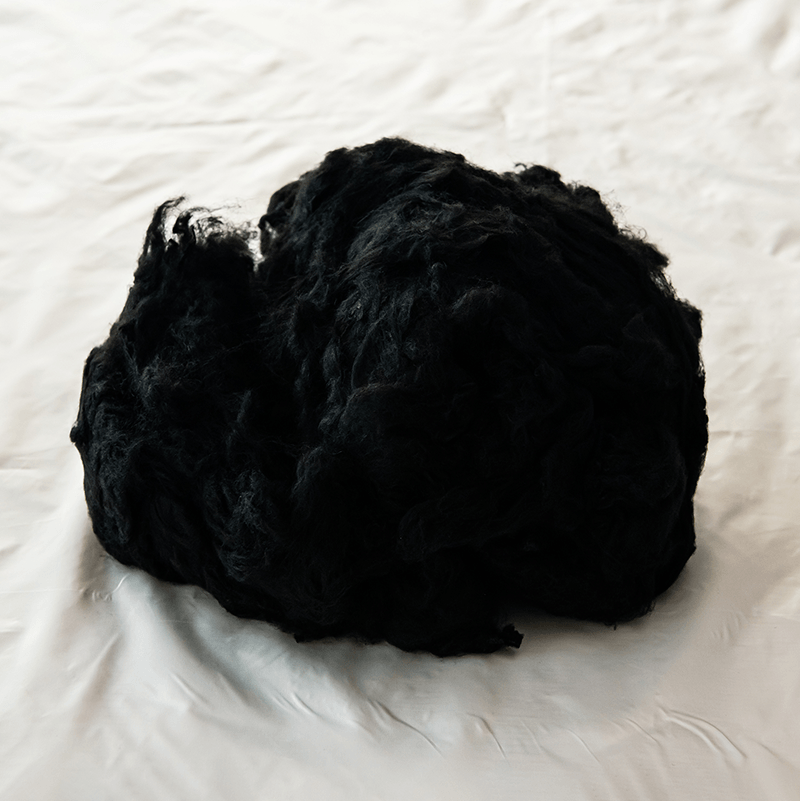
Current market data indicates a massive pivot in the global textile sector. With the European Union and major Asian manufacturing hubs enforcing strict zero-liquid discharge mandates, textile mills are abandoning traditional dye houses. The industry is rapidly adopting solution-dyed synthetics to meet these aggressive sustainability targets while simultaneously upgrading material performance. Colorfastness is no longer just a visual characteristic. It is a measurable physical property determined by how well a colorant resists environmental degradation.
During extrusion, the colorant does not simply coat the nylon. As the ethylene and caprolactam base polymerizes and solidifies, the microscopic pigment particles become entirely encapsulated by the crystalline structure of the polyamide. Because the pigment binds both mechanically and chemically within the core, it remains shielded from external chemical agents that would effortlessly break down surface-level dyes. This macromolecular integration ensures the hue remains stable even when subjected to severe thermal fluctuations or physical stress.
Furthermore, looking beyond the chemical structure, this integration yields measurable advantages across three primary vectors of textile failure:
Wash Fastness: Traditional dyes rely on fragile surface bonds that harsh alkaline laundry detergents gradually erode. Because the pigments in a colored nylon fiber embed deep inside the polymer matrix, surfactants simply cannot reach them. This results in exceptional wash fastness and prevents the dreaded faded look after repeated laundering.
Light and UV Fastness: Ultraviolet radiation relentlessly degrades dye molecules and leads to photo-oxidation. The pigments used in premium masterbatches are specifically engineered for high thermal and UV stability. The surrounding nylon polymer acts as a protective barrier to drastically slow the rate of UV degradation.
Friction Fastness: In high-friction environments, surface-dyed fabrics experience crocking, where the dye physically rubs off onto other surfaces or skin. Since the coloration is uniform throughout its entire cross-section, physical abrasion merely exposes more of the identically colored material beneath.
The ultimate performance of the finished textile correlates directly to the quality of the raw materials introduced at the very beginning of the supply chain. Sourcing managers and engineers must understand that not all extrusions are created equal.
The foundation of any high-performance yarn is the base polymer chip. The purity, intrinsic viscosity, and moisture content of the PA6 or PA66 chips dictate the physical strength of the final product. Impurities in the base polymer can lead to uneven melting dynamics. This uneven melt causes poor pigment dispersion and critical weak spots in the extruded filaments. Premium facilities utilize virgin or high-grade recycled polymer chips with strict moisture control protocols to guarantee a stable melt.
Precision in selecting the masterbatch—a concentrated mixture of pigments encapsulated in a carrier resin—is absolutely paramount. The pigments must possess extraordinary thermal stability because the twin-screw extruder often operates at temperatures exceeding 250 degrees Celsius. If a low-grade masterbatch enters the hopper, the pigments may scorch or clump together. This disrupts the crystalline structure of the polyamide and leads to a brittle dope dyed fiber with severely compromised tensile strength.
For B2B buyers and textile mills, transitioning to this advanced material offers quantifiable commercial and operational benefits that extend far beyond the physical properties of the yarn.
One of the most persistent and expensive challenges in traditional textile manufacturing is maintaining color consistency across different dye lots. Slight variations in water temperature, pH levels, and dye concentration inevitably lead to measurable color discrepancies resulting in high Delta E values. Automated computerized gravimetric dosing systems resolve this issue. By precisely measuring the ratio of masterbatch to polymer chips before melting, manufacturers achieve near-perfect color matching across massive multi-ton production runs.
Environmental compliance heavily influences modern purchasing decisions. Traditional dyeing is notoriously resource-intensive. It consumes millions of gallons of freshwater and generates toxic wastewater laden with heavy metals. By introducing color in the solid melt phase, the spun dyed nylon process consumes virtually zero water and produces zero dye effluent. Bypassing the energy-intensive heating and drying cycles required in traditional dye houses drastically lowers the carbon footprint of the finished garment.
While the initial procurement cost of solution-dyed synthetics may appear slightly higher than raw white variants, the total cost of ownership is substantially lower. Skipping the dye house entirely removes a major bottleneck in the supply chain. It eliminates the costs of water, thermal energy, and chemical auxiliaries while simultaneously slashing lead times. This streamlined operational approach allows agile textile brands to accelerate their time-to-market.
Theoretical benefits must always be backed by empirical data. Reputable manufacturers implement stringent quality control frameworks to ensure that every single bale meets exact specifications. Because the color integrates during extrusion, laboratory technicians must evaluate both visual consistency and structural integrity simultaneously.
To guarantee reliable performance under real-world conditions, the material undergoes a battery of standardized tests governed by organizations like ISO and AATCC. Consistently achieving high grades across these protocols confirms successful pigment integration.
Testing Parameter | Standardized Test Method | Expected Performance Grade Scale 1 to 5 |
|---|---|---|
Colorfastness to Washing | ISO 105-C06 / AATCC 61 | Grade 4.5 to 5.0 indicating virtually zero color loss |
Colorfastness to Light UV | ISO 105-B02 / AATCC 16 | Grade 4.0 to 5.0 indicating outstanding UV resistance |
Colorfastness to Dry and Wet Rubbing | ISO 105-X12 / AATCC 8 | Grade 4.5 to 5.0 indicating no color transfer |
Introducing foreign pigment particles into a polymer matrix can alter its mechanical properties. Therefore, rigorous physical testing is non-negotiable. Quality control laboratories continuously test the material for tensile strength measured in centinewtons per decitex. When evaluating specifications, ensure the tenacity exceeds 4.0 cN per dtex for standard applications. This ensures it withstands the harsh tension of spinning frames and weaving looms without snapping. Elongation at break is measured to guarantee natural elasticity, while denier consistency and crimp retention around 10 to 18 percent are meticulously monitored to prevent weak points in the yarn structure.
The unique molecular structure that provides this incredible durability makes it the premier choice for industries where textile failure—whether aesthetic or structural—is simply not an option.
Automotive cabins are grueling environments. Car seats, headliners, and floor carpets are subjected to intense magnified UV radiation through vehicle windows alongside extreme seasonal temperature fluctuations. Traditional surface dyes quickly succumb to this sun-bleaching effect. By utilizing colorfast nylon fiber, automotive manufacturers ensure that interior aesthetics remain vibrant and consistent for the entire lifespan of the vehicle. This easily meets rigorous engineering standards like SAE J1885.
Equipment engineered for the outdoors—such as expedition tents, tactical backpacks, and high-performance sportswear—faces a brutal combination of harsh weather, acidic human sweat, and aggressive washing. When a tactical backpack scrapes against rough alpine terrain, surface dyes fail. The inherent wash and friction fastness of this material ensures that heavy-duty gear retains its visibility and aesthetic value without color bleeding onto other garments during laundering.
High-traffic commercial environments demand flooring solutions that are practically indestructible. Commercial carpets offer exceptional resistance to heavy foot traffic. More importantly, because the color locks safely inside the core, janitorial staff can deploy harsh chemical stain removers—including diluted bleach solutions—without fear of stripping the color from the carpet pile.
Transitioning to these advanced materials requires partnering with a supplier capable of delivering precise and repeatable results. For sourcing managers, evaluating a manufacturing partner goes far beyond simply comparing the price per kilogram.
When vetting a factory floor, buyers should aggressively inquire about the extrusion technology in use. Are they utilizing modern twin-screw extruders? What is the precision level of their automated masterbatch dosing systems? Uneven distribution at the microscopic level inevitably leads to color streaking. Additionally, determine if they possess an in-house laboratory equipped with spectrophotometers to verify batch-to-batch Delta E values before shipment.
In the modern B2B landscape, verifiable sustainability is a strict prerequisite. Prioritize suppliers who hold internationally recognized eco-certifications. The Global Recycled Standard is vital if you are sourcing recycled variants because it verifies the chain of custody. The OEKO-TEX Standard 100 certification guarantees the material is free from harmful substances and safe for human contact. Facilities compliant with ISO 9001 and ISO 14001 demonstrate a foundational commitment to operational and environmental excellence.
Extrusion-colored synthetics offer an unmatched level of colorfastness that traditional piece-dyeing simply cannot replicate. Because the color is a permanent molecular advantage rather than a superficial coating, it effortlessly prevents fading from aggressive washing, intense sunlight, and heavy friction. Choosing this advanced material significantly improves product longevity while directly supporting critical environmental sustainability goals.
Ultimately, your brand's reputation relies heavily on the durability of your raw materials. By streamlining the supply chain and eliminating the water-intensive dyeing process, manufacturers can achieve superior aesthetic results while lowering overall production costs. To explore specific technical data sheets or request custom color matching for your next production run, browse the high-performance materials at JY Hongying. Partner with us to engineer textiles that never fade.
When analyzing the total cost of ownership, it is highly cost-effective for bulk manufacturing. While the unspun material may present a slightly higher upfront cost due to the precision required in masterbatch dosing, it completely eliminates the secondary water-intensive dyeing process. By skipping the dye house, manufacturers save substantially on water consumption, thermal energy, chemical dyes, and wastewater treatment. This ultimately reduces the overall production cycle cost.
Because the color pigments are structurally locked inside the polymer matrix during the melting phase, it is highly resistant to external chemical agents including bleach. This makes it exceptionally durable for commercial applications requiring harsh cleaning. Consequently, applying a new color over the existing one is highly difficult and generally ineffective. The material does not readily absorb surface dyes. This permanent color retention is exactly why engineers choose it when fading is unacceptable.
The primary difference lies in the physical length and processing of the material. Continuous filament yarn consists of long unbroken strands of nylon which create smooth high-sheen fabrics. In contrast, staple variants are manufactured by cutting continuous filaments into shorter discrete lengths to mimic natural materials like cotton or wool. These short lengths are then crimped and spun into yarn. This results in a textile with a softer hand-feel and better moisture management.
The traditional piece-dyeing process is one of the most polluting phases in textile manufacturing. It requires massive volumes of heated water and discharges toxic chemical effluents. By utilizing the extrusion method, color is added directly to the polymer melt without aqueous baths. This zero-water dyeing process saves millions of gallons of water per production cycle. It significantly reduces the carbon footprint by eliminating the energy required to heat dye vats and dry wet fabrics.
Manufacturers can customize the physical dimensions based on the intended spinning system. Denier sizes generally range from fine 1.2D up to heavy-duty 80D. Cut lengths are precisely chopped to match specific blending requirements, typically spanning from 38mm for cotton spinning systems up to 120mm for worsted and semi-worsted spinning equipment.
If engineered correctly with high-quality carrier resins, the impact on tensile strength is negligible. However, using substandard masterbatch or improper extrusion temperatures can disrupt the crystalline structure of the polyamide. Premium manufacturers maintain strict temperature controls and utilize compatible masterbatches to ensure the tenacity remains above 4.0 centinewtons per decitex, preserving the structural integrity required for high-speed weaving.


