
English 
No. 21, Xingyuan Road, Jiefang Village, Gushan Town, Jiangyin City
Views: 0 Author: Site Editor Publish Time: 2026-10-26 Origin: Site


Craving ultimate winter warmth without the staggering luxury price tag? Natural alpaca is undeniably cozy. Yet it remains heavily expensive and occasionally difficult to source for large-scale textile production and everyday wardrobes. This scarcity leads many material sourcing experts and textile engineers to ask a critical question. Can engineered synthetic alternatives truly match that legendary high-efficiency thermal retention? In this technical breakdown, we will explore exactly how these materials compare. You will learn the science behind their thermodynamics. We will evaluate their structural softness. Finally, we will weigh the commercial practicalities of cost and care. This data will help you make the smartest material selection for your production lines or personal needs.
Natural Alpaca Leads in Pure Warmth: Genuine alpaca fibers feature a unique hollow core that traps body heat naturally. This structural advantage makes it warmer and far more breathable than almost any synthetic counterpart on the market today.
Imitation Alpaca is Catching Up: Modern imitation alpaca fiber offers excellent thermal insulation. Through advanced textile engineering, it closely mimics the softness and drape of the real thing at a mere fraction of the cost.
Breathability is the Main Difference: While synthetic options can trap heat effectively against the skin, they generally lack the dynamic moisture-wicking properties of natural fleece. This can occasionally lead to overheating during active outdoor use.
Care and Durability: Synthetic alternatives are generally much easier to wash and maintain. They resist shrinking and felting, making them a highly practical choice for everyday winter wear and heavy-use items.
The Best Choice Depends on Your Needs: Your final purchasing decision should be based on your specific budget, ethical preferences, and whether you require extreme weather protection or simple, casual winter comfort.
To understand how synthetic alternatives perform in freezing environments, we must examine their manufacturing process. Imitation alpaca is not a single naturally occurring material. It is a carefully engineered textile. Manufacturers design it specifically to replicate the physical characteristics of genuine animal fleece. Modern factories utilize advanced polymer extrusion techniques. These processes create a high-quality wool like fiber that closely mimics the micron count and natural crimp of real alpaca hair.
Typically, these synthetic substitutes consist of specialized blends. Engineers combine premium acrylics, polyamides like nylon, and ultra-fine polyester microfibers. Acrylic serves as the primary base material. Its density can be manipulated to achieve a fluffy, lightweight loft. Nylon is frequently added to the blend. This provides essential tensile strength and elasticity. Your winter garments will hold their structural integrity season after season.
Recent market analyses on winter textile trends reveal a massive shift toward engineered synthetic luxury. Global supply chain costs for natural animal fibers have skyrocketed. Consequently, textile developers have poured massive resources into elevating synthetic materials. The industry has moved far beyond the cheap, scratchy plastics of the past decade. Current data shows a growing demand for high-performance synthetics in both fast fashion and premium outdoor gear. Today's high-end synthetic textiles are meticulously brushed and chemically softened. They blur the lines between budget materials and premium fashion. This evolution is driven by consumer demand for cruelty-free, sustainable, yet highly functional winter wear.
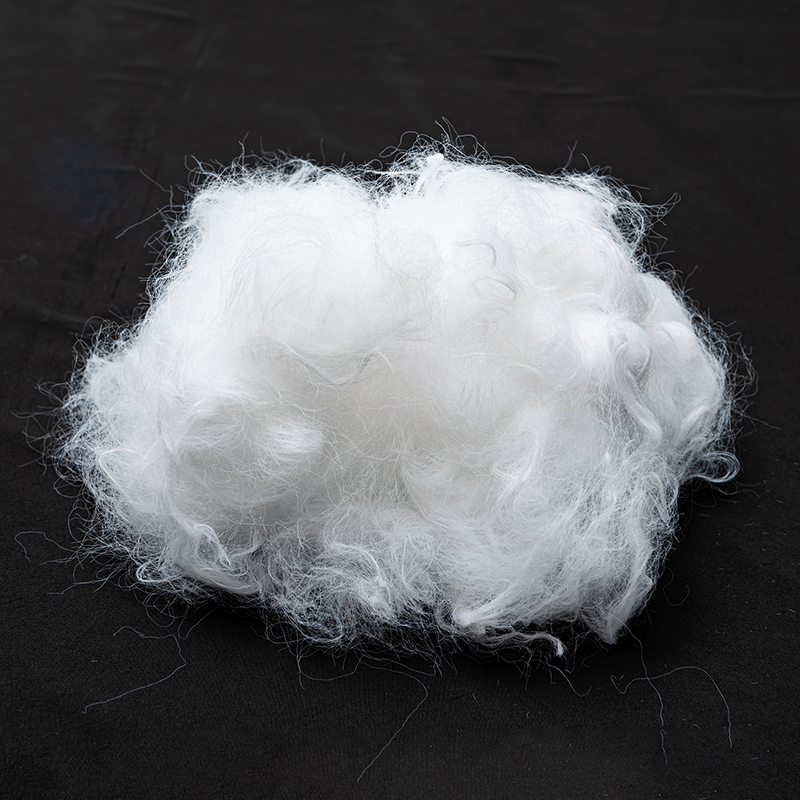
When evaluating winter garments, thermal insulation stands as the ultimate metric of performance. Both natural and synthetic fibers approach heat retention differently. Their mechanisms rely entirely on their microscopic structures.
Natural alpaca is frequently touted as one of the warmest natural fibers on earth. The secret lies in its cellular morphology. Alpaca hairs are medullated. They possess a microscopic hollow core running directly through the center of the shaft. These tiny hollow spaces act as thermal pockets. They trap the ambient heat generated by the human body. Air is a poor conductor of heat. Therefore, this trapped pocket provides exceptional insulation without adding excessive bulk to the garment.
In contrast, synthetic textiles generally lack this medullated hollow core. Instead, an alpaca substitute fiber relies on structural density and engineered bulk to retain heat. Manufacturers design these yarns with a high degree of crimp, which is the intentional waviness of the polymer strand. When tightly spun and knitted together, these crimped fibers create a dense interlocking barrier. This physical shield blocks biting cold winds from penetrating the fabric. This method is highly effective in standard cold conditions. It relies on the physical thickness of the fabric rather than internal air pockets.
Ultimately, synthetic options are undeniably warm. They are more than sufficient for urban commuting or casual wear. However, natural alpaca remains the undisputed champion for extreme, lightweight thermal insulation.
Warmth is only half of the winter comfort equation. The other crucial factor is moisture management. One of the most common issues with heavy winter clothing is the dreaded sweat accumulation. Imagine transitioning from a freezing outdoor environment into a heavily heated indoor space. Your body generates sweat. If a garment traps heat but cannot release that moisture, the trapped sweat quickly cools against your skin. This leads to a dangerous and uncomfortable clammy feeling.
Natural alpaca possesses a remarkable dynamic breathability. As a natural keratin fiber, it is inherently hydrophilic, meaning water-absorbing, on the inside and hydrophobic, meaning water-repelling, on the outside. It absorbs moisture vapor from the skin and releases it into the ambient air.
Conversely, synthetics face a structural hurdle here. Most synthetic winter yarn fibers are petroleum-based. They are naturally water-repelling throughout their cross-section. They do not absorb moisture vapor effectively. Consequently, they can occasionally trap sweat between the skin and the fabric during high-intensity outdoor activities. Advanced wicking treatments are often applied during manufacturing to mitigate this issue.
The tactile experience of a winter garment is just as important as its thermal properties. Natural alpaca is famous for its buttery, luxurious feel. The microscopic scales on an alpaca fiber are much flatter than those on traditional sheep fleece. They lie closer to the shaft, significantly minimizing skin irritation.
Modern synthetics have made astounding leaps in texture replication. During the manufacturing process, imitation fibers are extruded as continuous, perfectly smooth filaments. They lack cuticular scales entirely. Engineers further chemically smooth them to remove any potential abrasiveness. The result is a profoundly plush texture. It frequently rivals the softness of a premium faux cashmere fiber. Furthermore, both materials are exceptional hypoallergenic choices for sensitive skin. Natural alpaca is free of lanolin. Synthetics contain no animal proteins.
When making a purchasing or manufacturing decision, practical considerations are critical. You must evaluate budget, maintenance routines, and the garment lifespan.
The cost difference between natural and synthetic options is substantial. Genuine alpaca commands a luxury price tag. This is due to the resource-intensive nature of animal husbandry, shearing, sorting, and global transportation. Synthetic alternatives are produced in controlled manufacturing environments at scale. This makes them highly budget-friendly and scalable for mass production.
Maintenance is specifically where synthetic fibers truly shine. Natural alpaca requires delicate handling. It must be gently hand-washed in cold water with specialized mild detergents. It must be laid perfectly flat to dry to prevent structural damage. Imitation alpaca is highly resilient. Most of these engineered blends are fully machine-washable. They withstand standard laundry cycles without shrinking.
Performance Metric | Natural Alpaca Fiber | Premium Imitation Alpaca Fiber |
|---|---|---|
Thermal Insulation | Exceptional. Utilizes hollow medullated cores. | High. Relies on crimp density and fabric bulk. |
Moisture Wicking | Dynamic breathability. Absorbs and releases vapor. | Moderate. Requires specialized chemical treatments. |
Tensile Durability | High strength, resists long-term pilling. | Excellent elasticity, highly resistant to shrinking. |
Maintenance | Complex. Requires hand-washing and flat drying. | Simple. Machine washable and highly resilient. |
Cost Efficiency | Premium luxury pricing. | Highly cost-effective for scaled production. |
The choice between genuine and imitation materials comes down to specific project requirements and target demographics.
Invest in natural alpaca if you are developing heirloom-quality pieces designed to last for decades. It is the superior choice for extreme cold weather gear and luxury apparel lines. It appeals to consumers who prioritize eco-conscious, biodegradable fashion.
Opt for synthetic alternatives if you are a budget-conscious manufacturer seeking excellent warmth without the luxury price tag. Imitation alpaca yarn is the smartest choice for everyday winter wear and fast-growing children apparel. It is highly recommended for heavy-use household items like throw blankets that require frequent, hassle-free machine washing. By leveraging materials with customized denier and staple lengths, manufacturers can achieve the exact drape and loft required for their specific product lines.
Imitation alpaca fiber may not match the exact thermodynamic perfection and dynamic breathability of natural fleece. However, it remains a highly effective, incredibly soft, and commercially viable alternative. Natural alpaca stands as the ultimate thermal investment. Yet modern synthetic options perfectly fit the rigorous demands of everyday winter life. Both materials deserve a rightful place in textile manufacturing and personal winter wardrobes.
Ready to elevate your textile production with high-performance, cost-effective materials? Explore our advanced engineered fibers and find the perfect match for your next winter collection at JY Hongying. Choose based on your specific technical requirements, and deliver cozy warmth all season long.
Yes, high-quality synthetic yarn provides excellent insulation and robust wind resistance. Manufacturers engineer these fibers to create dense barriers against cold air. While it may lack the advanced breathability of natural animal fleece, it is perfectly suitable for standard winter wear, including heavy scarves, hats, and everyday sweaters, ensuring comfortable warmth in typical winter climates.
The tendency to pill depends entirely on the length of the fiber and the quality of the blend. Pilling occurs when short fibers break loose and tangle together due to friction. Lower-quality, loosely spun synthetics may pill over time. However, premium imitation fibers are often extruded as long, continuous filaments and treated with anti-pilling finishes, allowing them to maintain their smooth texture even after repeated wear.
Yes, natural alpaca is scientifically proven to be warmer than standard sheep wool. The core difference lies in the fiber morphology. Alpaca fibers are heavily medullated, meaning they contain microscopic hollow air pockets running through their center. These hollow spaces act as exceptional thermal insulators, trapping body heat far more efficiently than the solid core of standard sheep wool.
Absolutely. Blending is a standard practice in the global textile industry. Many manufacturers and independent crafters blend natural alpaca with premium acrylic, nylon, or polyamide. This strategic mixing combines the extreme warmth and luxurious drape of the natural fleece with the enhanced structural durability, elasticity, and cost-effectiveness of synthetic materials.
Imitation alpaca is typically a highly engineered version of acrylic or a specialized polyester blend. Standard acrylic can feel flat and less insulating. Imitation alpaca undergoes specific texturizing processes to increase its crimp and loft. This structural modification allows it to trap significantly more dead air than standard acrylic, providing superior thermal retention.
Yes, synthetic alpaca fibers are frequently utilized as thermal linings or outer shell blends in heavy-duty winter coats. Their high resistance to moisture absorption makes them particularly effective in damp, snowy conditions where natural fibers might become waterlogged. When paired with a windproof outer layer, they offer exceptional commercial-grade insulation.


